




Learn how to support survivors of sexual abuse, domestic violence, and other forms of trauma with compassion. These trauma-informed approaches can help someone feel heard, believed, and respected.
Sometimes, the Most Powerful Thing You Can Do Is Stay
When someone tells you they have experienced abuse, your first instinct may be to find the right words.
You may want to offer advice, explain what you think they should do next, or reassure them that everything will be okay.
But survivors rarely need someone to fix their pain.
They need someone willing to sit with it.
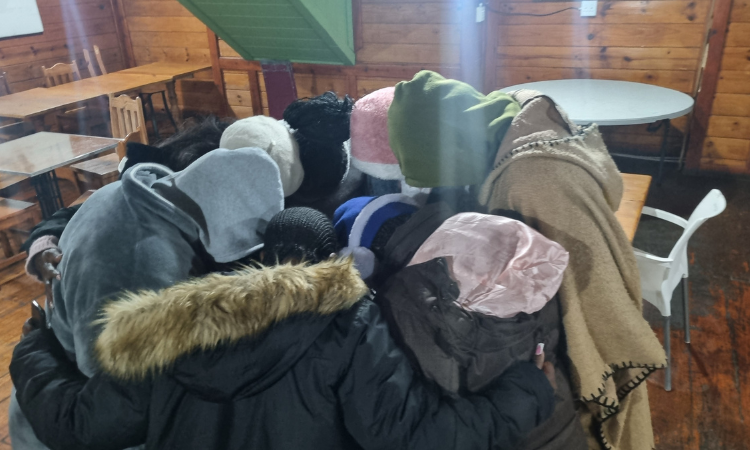
That is what it means to hold space.
Holding space means creating an environment where a survivor feels emotionally safe enough to be seen, heard, and believed without judgement, pressure, or expectations. It is one of the greatest gifts we can offer someone who has lived through trauma.
As someone who has survived sexual violence myself, I have learned that healing is rarely about finding perfect answers. More often, it is about finding safe people.
What Does It Mean to Hold Space?
Holding space means allowing another person’s experience to exist without trying to control it.
It means saying:
“I’m here.”
Instead of:
“Here’s what you should do.”
It is the difference between witnessing someone’s pain and trying to take ownership of it.
A survivor deserves to tell their story at their own pace, in their own words, and only if they choose to. Sometimes holding space looks like conversation. Sometimes it looks like silence. Both can be healing.
Believe Them
One of the greatest fears many survivors carry is that they will not be believed.
When someone trusts you enough to disclose abuse, your response matters. Simple statements such as:
“Thank you for trusting me.”
“I’m so sorry that happened to you.”
“I believe you.”
“You didn’t deserve this.”
…can become words they remember for years.
You do not need to investigate. You do not need to become a detective. Your first responsibility is compassion.
Their disclosure also belongs to them. Do not share their story with others without their permission. The exception is when there is an immediate risk of serious harm and urgent safety support is needed.
Resist the Urge to Ask “Why?”
Trauma often invites questions that unintentionally place responsibility on the survivor.
Why didn’t you leave?
Why didn’t you report it?
Why didn’t you fight back?
Why did you wait so long to tell someone?
These questions can deepen shame.
A more healing response is:
“What do you need from me right now?”
That question restores choice something abuse often takes away.
Don’t Rush Their Healing
Healing has no universal timeline.
Some survivors speak immediately. Others stay silent for years. Some may seem completely fine while carrying unimaginable pain. Others may struggle with anxiety, grief, anger, or numbness.
Avoid saying:
“You should be over it by now.”
“Everything happens for a reason.”
“At least you’re alive.”
Instead, acknowledge where they are today.
Healing is not linear. Progress is not measured by how quickly someone moves on.
Respect Their Choices
Supporting a survivor does not mean making decisions for them.
Whether they choose to report the abuse, seek counselling, confront the perpetrator, or keep their experience private, those decisions belong to them. Empowerment begins when survivors regain the ability to make choices for themselves.
Your role is not to direct their healing. Your role is to walk beside them.
Respecting their choices does not mean leaving them alone in immediate danger. If they are unsafe, focus first on helping them reach a safer place and connect with trusted, appropriate support without taking control away from them.
Don’t Make Their Story About You
When someone shares their pain, resist the temptation to respond with your own experiences or emotions.
Avoid saying:
“I know exactly how you feel.”
“That reminds me of…”
Instead, remain present. Listen more than you speak.
The conversation is about their healing not your discomfort.
Understand That Trauma Lives in the Body
Healing is not only emotional.

Trauma can affect sleep, memory, concentration, relationships, trust, and physical health. A survivor’s reactions may not always make sense from the outside. They do not need to justify them.
Compassion means recognising that trauma can change how people experience the world.
Healing Doesn’t Always Require Words
Sometimes the most meaningful support is practical.
You can offer to:
Sit with them.
Walk with them.
Bring them a meal.
Attend an appointment if they ask.
Check in regularly without pressure.
Presence often speaks louder than advice.
Create Spaces Where Survivors Do Not Have to Pretend Healing flourishes where survivors are accepted without needing to explain themselves.
That is the heart behind Suitcases & Butterflies Healing Circles: creating gentle, survivor-centred spaces where women can be heard, supported, and reminded that they do not have to carry their pain alone.
Every survivor deserves dignity. Every survivor deserves safety. Every survivor deserves the space to heal in their own time.
Final Thoughts If someone trusts you enough to share their story, remember this:
You do not need perfect words. You do not need all the answers. You do not need to rescue them.
You simply need to create a space where they can breathe, where they are believed, and where they know they are not alone.
Sometimes healing begins not with advice, but with the quiet assurance that someone stayed.
And if you are supporting someone who has experienced abuse, begin here: believe them, listen without pressure, and ask what support feels helpful.
If you are a survivor, please remember what happened to you was not your fault. You deserve care, dignity, safety, and spaces where you do not have to carry your story alone.
Few minutes read and I have learned a lot. Thank you.